Featured
Table of Contents
The five stages of sorrow are denial, rage, negotiating, depression, and acceptance. Every person experiences grief in different ways, and it is vital to allow people to grieve in their very own means. If you or a loved one is taking care of loss, it can be helpful to learn more regarding the grieving process.
It is essential to bear in mind that the grieving process can be intricate, and it isn't the same for everybody. These actions might not be complied with exactly, or other sensations might appear after you assumed you were with the phases of grieving. Allowing space to experience sorrow in your own way can aid you recover after loss.
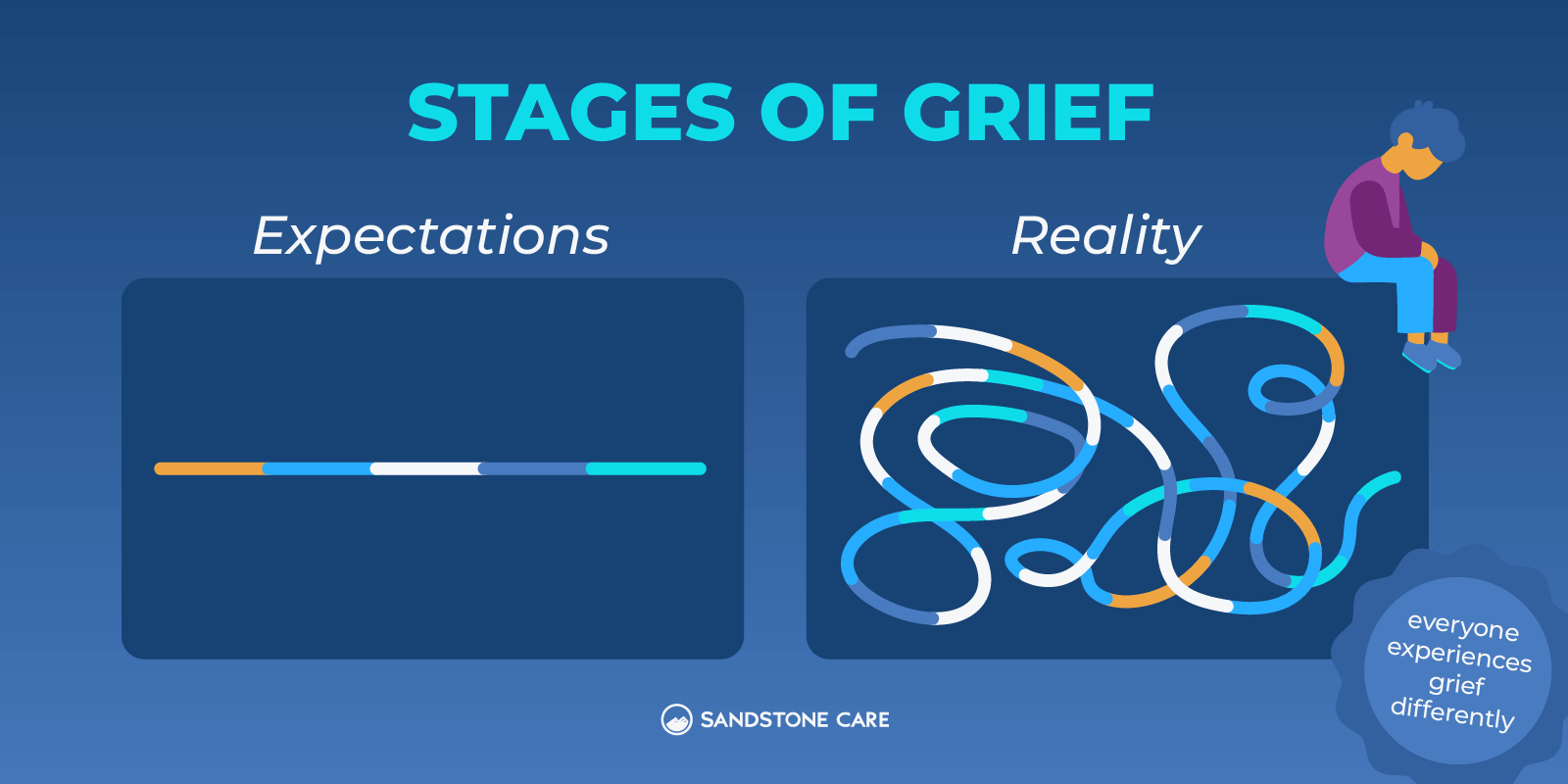
It recommends that we go via 5 distinct stages after the loss of an enjoyed one. These phases are denial, anger, bargaining, clinical depression, and finally approval.
During this stage in grieving, our reality has actually shifted completely. It can take our minds time to adapt to our new fact. We review the experiences we have actually shared with the individual we lost, and we may find ourselves asking yourself exactly how to relocate ahead in life without he or she. This is a great deal of info to discover and a great deal of unpleasant images to procedure.
Professional Depression Behind the Appearance of Success
Denial is not just an attempt to claim that the loss does not exist. We are likewise trying to soak up and recognize what is taking place. The 2nd stage in grieving is temper. We are trying to adapt to a new fact and are likely experiencing severe psychological discomfort. There is a lot to process that anger might seem like it enables us a psychological outlet.
Temper also has a tendency to be the first thing we feel when beginning to launch emotions connected to loss. This can leave us feeling isolated in our experience.
Throughout bargaining, we often tend to concentrate on our individual faults or remorses. We may look back at our interactions with the individual we are losing and keep in mind regularly we really felt disconnected or might have caused them pain. It is common to remember times when we might have claimed points we did not suggest and desire we could return and behave differently.
During our experience of processing pain, there comes a time when our creativities cool down and we gradually begin to take a look at the fact of our existing circumstance. Haggling no more seems like an option and we are confronted with what is happening. In this phase of grieving, we begin to feel the loss of our loved one more perfectly.
Compassionately Addressing Achievement-Oriented Parts in PTSD & Trauma Professionals
In those moments, we have a tendency to draw inward as the unhappiness grows. We may discover ourselves pulling away, being much less sociable, and reaching out much less to others about what we are going via.

, it is not that we no much longer really feel the discomfort of loss. Rather, we are no much longer withstanding the reality of our circumstance, and we are not struggling to make it something different.
There is no particular period for any one of these stages. A single person may experience the phases promptly, such as in a matter of weeks, whereas one more person may take months and even years to relocate through the phases of grieving. Whatever time it takes for you to move with these stages is completely regular.
Why IFS Strengthens Healthcare Delivery for Healthcare Providers in Your Area
You may or may not go through each of these phases or experience them in order. The lines of the mourning process phases are often obscured. We might likewise move from one stage to an additional and perhaps back once again before totally relocating right into a brand-new phase. Your pain is distinct to you, your connection to the person you lost is one-of-a-kind, and the psychological processing can really feel different per individual.
These versions can provide better understanding to individuals who are hurting over the loss of a liked one. They can likewise be used by those in healing occupations, assisting them to give efficient treatment for mourning people who are seeking informed assistance.
British psychoanalyst Colin Murray Parkes created a version of grief based upon Bowlby's theory of accessory, recommending there are four phases of grieving when experiencing the loss of an enjoyed one:: Loss in this phase really feels difficult to approve. Many closely pertaining to Kbler-Ross's stage of denial, we are overwhelmed when trying to manage our feelings.
: As we process loss in this stage of pain, we might begin to try to find comfort to fill up deep space our enjoyed one has left. We may do this by experiencing memories through pictures and looking for indications from the individual to really feel connected to them. In this stage, we end up being really busied with the person we have actually lost.
Building Balanced Relationships After PTSD Treatment in Your Life
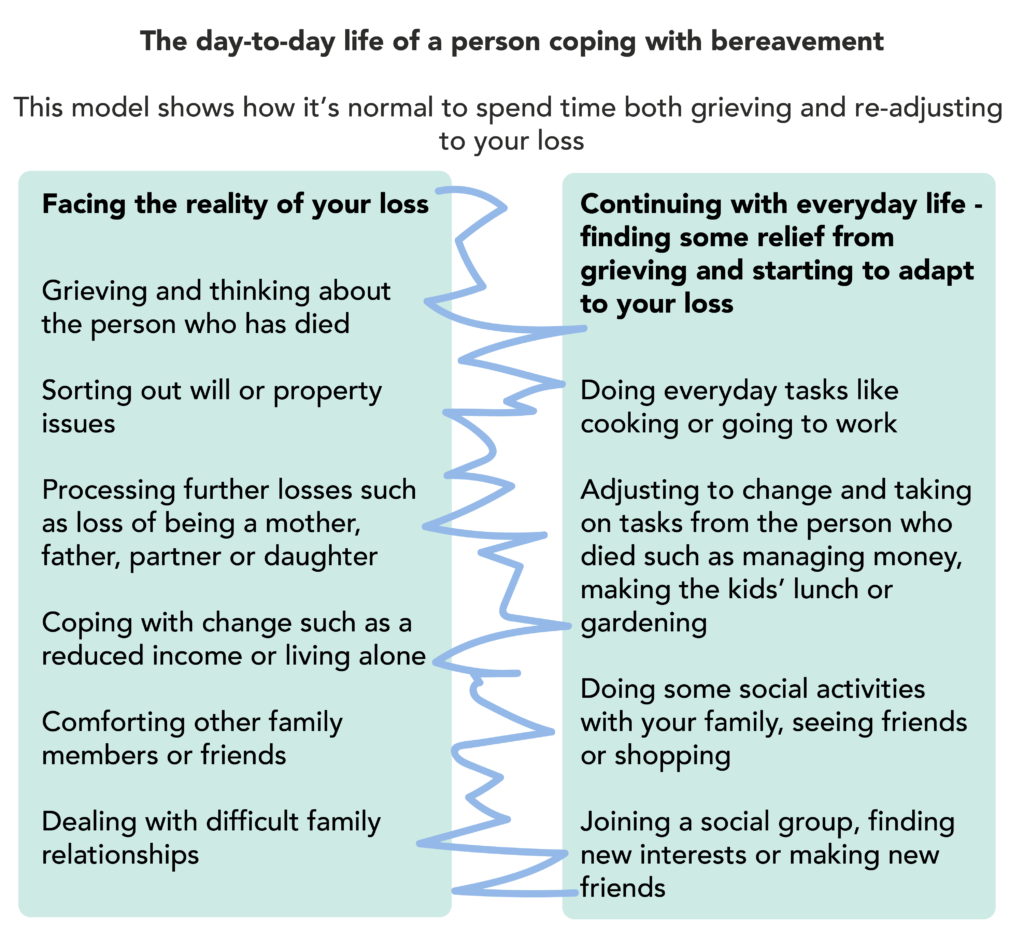
The realization that our liked one is not returning really feels real, and we can have a challenging time comprehending or locating hope in our future. We may feel a bit pointless during this section of the grieving process and hideaway from others as we refine our pain.: In this stage, we feel more hopeful that our hearts and minds can be recovered.

Table of Contents
Latest Posts
Developing Inner Safety in the Therapeutic Process for Healthcare Workers in Sacramento
Developing Stress Management Tools to Address Permanent Anxiety Relief With Phobias Guidance
Integrating Cultural Trauma in Couples Therapy in Oakland, CA
More
Latest Posts
Developing Inner Safety in the Therapeutic Process for Healthcare Workers in Sacramento
Developing Stress Management Tools to Address Permanent Anxiety Relief With Phobias Guidance
Integrating Cultural Trauma in Couples Therapy in Oakland, CA