Featured
Table of Contents
One of things the group participants discovered valuable, she recalls, was constructing communication and boundary-setting skills that they could use with their member of the family. The team yapped concerning exactly how to continue to be calm, handle their body language and maintain an analytic (instead than blaming) emphasis when having "brave discussions" with relative about habits and patterns that had actually been embraced due to generational trauma, she claims.
This client's wish not to pass on her injury reactions to her kids, along with her stress and anxiety regarding being poor and abusive, is what led her to seek counseling, Guyton includes. When the client began to discover her household background, consisting of the pressures her grandma dealt with as she emigrated from her Caribbean homeland to the USA, she understood "I need to speak with her," Guyton recalls.
Guyton then triggered the client to talk to her grandmother and share just how she was feeling. The customer responded by claiming, "I see you, Grandmother. I see you in this context. I'm recognizing more currently, and I wonder what it resembled for you to raise everyone through destitution, sexism, racism and physical abuse.
Since we have some distinctions in our identifications, what obstacles might we have in working with each other?" Goodman urges counselors to broach this subject not just at the beginning of counseling collaborate with a customer yet additionally with normal check-ins throughout the relationship. "We [therapists] each have to determine for ourselves language that is authentic for us" to promote these discussions, she says.
Family Expectations vs Individual Values
"Privileged groups can still have generational trauma, also though it's not talked regarding as much," she states. "Any individual who has actually experienced injury can pass it down.
The fact is that customers do not stay in a vacuum cleaner; they can pursue healing independently in counseling yet will inevitably go back to live within their society and family members system, she keeps in mind."Generational injury is simply that a private whose injury is perpetuated within household and culture," Petion adds. With this customer population, specialists must "think past the private sitting in front of us" in counseling, she emphasizes, and focus on just how they are recovery in link to their household and area.
At the exact same time, therapists should bear in mind that it might not be the customer's function to "take care of" or heal their family members or neighborhood, Mike warns. "They might require to make peace with healing themselves without taking on entire systems," he claims. Generational injury "can be an organic point, a psychological thing, a social thing.
Viewpoints expressed and declarations made in articles showing up in Counseling Today do not necessarily represent the point of views of the editors or plans of the American Counseling Association.
Connection of Identity and Mental Health
It can feel both defeating and verifying to find that the idea of generational injury reverberates with you. On one hand, it can be soothing to recognize that you're not "insane" or alone in this experience. On the various other hand, you might not know just how to move on with this info.

There are tons of great sources around, including videos, social media sites blog posts, and podcasts. Beyond on the internet material, I likewise motivate you to discover some generational injury publications. It can be unbelievably verifying to speak with people with similar experiences, including scientists with a deep understanding of these characteristics.
Session size is identified on the individual client demands. AEDP is generally offered in outpatient therapy centers or personal practice setups.
Singular or routine pairs therapy sessions can be included as needed to support the primary customer. Therapy has a tendency to be long-lasting, with therapy period commonly going beyond one year. IFS is a restorative approach which watches the interior system as having subparts or subpersonalities, each with unique systems of being inside organized to best serve the environment a person remains in.
EMDR for Transgenerational Trauma
This self consists of a person's toughness and skills which naturally guides a person to a healthy and balanced life or recovery. IFS' goal is to attain balance within the inner system by: differentiating the self from other subparts, enabling the self to lead with subparts sustain, andallowing all subparts to exist with participating, non-extreme intent.
Because of its personalized nature, length of therapy is dependent upon the needs of the client(s). IFS is usually promoted in an outpatient setting. Acknowledging the details difficulties experienced by adult survivors of intricate trauma, STAIR/MPE is a two-phase healing intervention focused on ability building and exposure-based therapy in the context of an empathetic and reliable relationship.
Perfectionism in Immigrant Communities
Clients are given with ability training to: boost policy capabilities, boost distress resistance, andexplore brand-new approaches of involving with and associating with others, establishing the foundation for the second phase of treatment. Stage two sustains customers in additional handling via demanding situations using a modified version of extended direct exposure. Via, customers are exposed to trauma-related memories to: increase understanding of the customer's affective and psychological experience, technique guideline abilities, andprocess with tough styles such as denial, embarassment, loss, and betrayal.
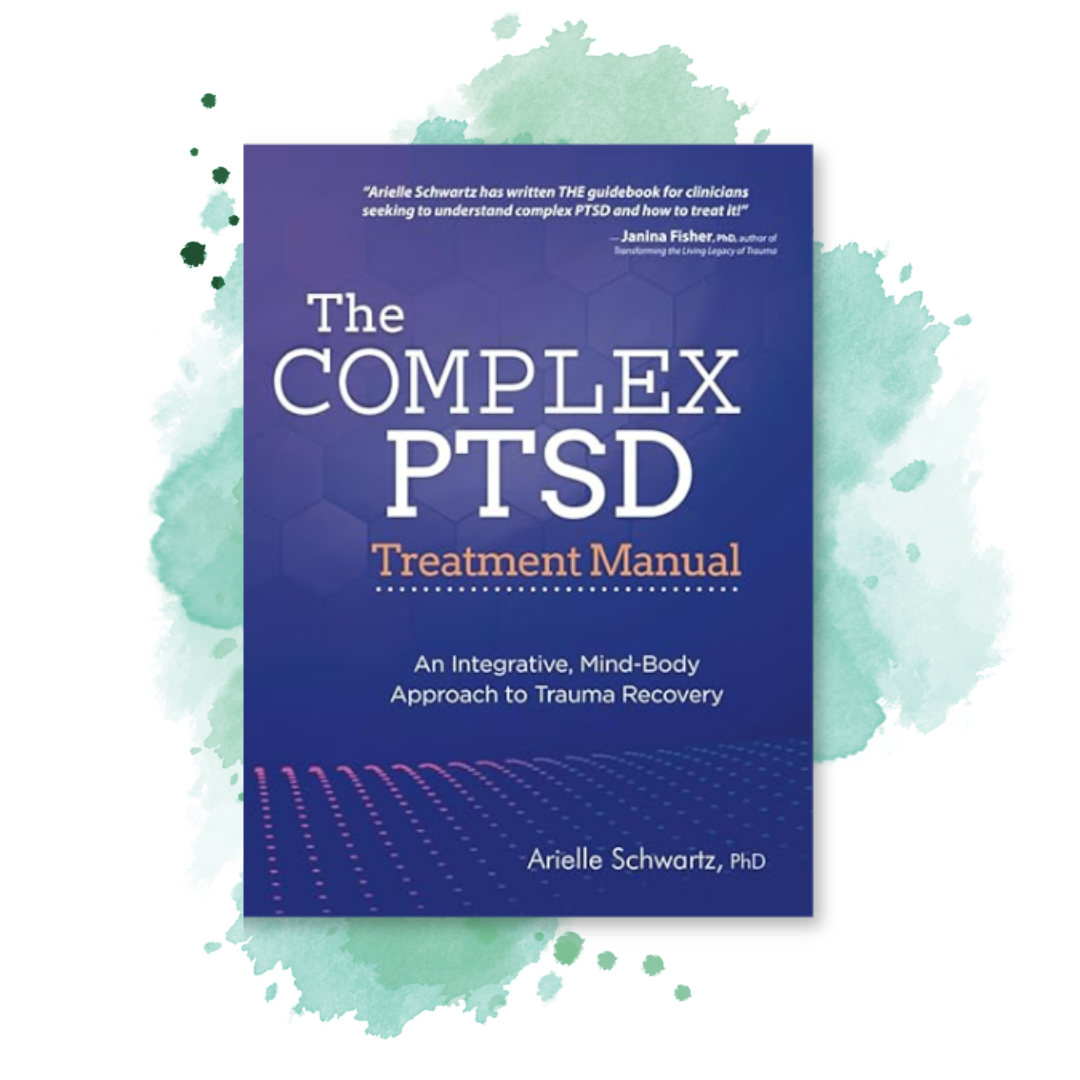
These experiences can leave long-term signs and symptoms well after the occasion mores than. In the situation of developing injury, trauma which is normally relational and repetitive overtime, a person might not know just how their past experiences can be linked to a selection of symptoms. Problems with link to others, a total feeling of anxiousness or dread, an overall pins and needles or sensation of not being totally active are some of the factors to explore trauma treatment.

Latest Posts
Recognizing the Relationship Between Personal Struggles
Signs You Should Consider Specialized Treatment
Overreacting to minor triggers